

Dedicated Medical Support for Eating Disorder Recovery with Dr. Phillip Orme
Expert GP care coordinating with your dietitians, psychologists, medical specialists and allied health team to ensure your physical safety.




If you need help right now
If you, or someone you care for, is at immediate risk of harm - please call 000 or go to your nearest hospital emergency department. The information on this page is general — it is not a substitute for emergency or crisis support.

Beyond Blue
Contact Beyond Blue for 24/7 mental health support.

Butterfly Foundation
Australia's national eating disorder helpline. 8am–midnight AEST, every day

Lifeline
24/7 crisis support and suicide prevention
Meet Dr. Phil Orme
Consulting GP at Coogee Beach Doctors
Bachelor of Medicine, Bachelor of Surgery (MBBS), Fellow of the Royal Australian College of General Practitioners (FRACGP)
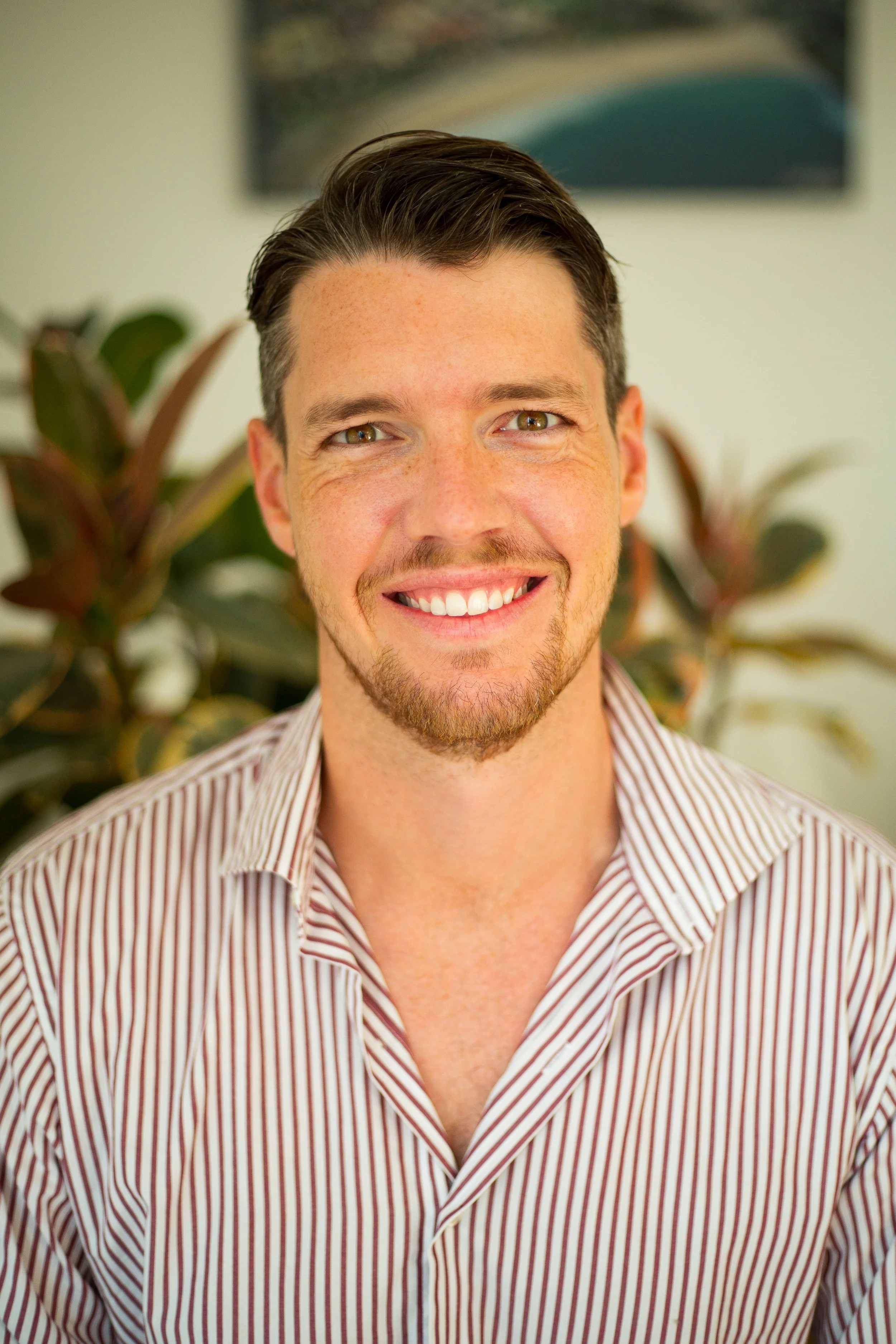
Dr Phil Orme is a consulting GP at Coogee Beach Doctors with a clinical interest in eating disorder shared care. He works alongside psychologists, dietitians and specialist eating disorder services. His approach is built on continuity of care, longer consultations, and collaborative shared-care plans rather than transactional referral.
Dr Orme is currently welcoming new patients, and telehealth consultations are available for established patients.
How a GP can help with eating disorders
Eating disorders are serious mental and physical health conditions. They affect people of every age, gender, body shape and background. Recovery is possible, and it usually involves a team, time, and care coordinated between several different practitioners.
What a first consultation includes
A first consultation with Dr Phil is the entry point into a coordinated care team. It can include:
A longer first consultation to talk through what's been happening
Completing a Mental Health Treatment Plan, or where eligible an Eating Disorder Plan under the Better Access initiative, can open up Medicare-rebated psychology and dietitian sessions
Monitoring physical health markers like bloods, weight (when clinically appropriate to measure), heart rate and blood pressure and ECG.
Writing referrals to a psychologist, dietitian, or psychiatrist where specialised care is needed
Expert GP care coordinating with your dietitians, psychologists, medical specialists and allied health team to ensure your physical safety.
Dedicated Medical Support for Eating Disorder Recovery
The clinic manages the physical health of patients with eating disorders. While psychologists and dietitians focus on therapy and nutrition, this service monitors the body’s response to the illness. By tracking heart rate, blood pressure, and blood results, the clinic ensures that patients remain physically safe throughout their recovery.
As a central point of contact, the clinic keeps the entire care team connected. We share updates with the dietitian, psychologist, and medical specialists so everyone is working toward the same goal. This coordination is especially important for patients leaving hospital programs, as it provides a steady transition back to regular care in the community.
Support for Transitions
This coordinated approach is particularly important for patients moving between public and private systems. The clinic provides the necessary medical oversight for those stepping down from intensive hospital programs, ensuring a safe and managed return to community-based care in Coogee.
The Clinic as a Central Point of Contact
The clinic operates as a central medical anchor for your recovery. While an eating disorder involves many different health professionals, this service ensures that care remains coordinated and consistent. The clinic ensures that every member of your team is working from the same information.
Who these consults are for
Eating disorder concerns bring people to a GP from very different starting points. The two most common: you're worried about yourself, or you're worried about someone you love. Both are valid reasons to book.
-
✓ You're concerned about your relationship with food, eating patterns, body image, or weight, and you'd like to talk to a GP who has time to listen
✓ You've been told by a friend, family member, partner, coach, or another health professional that you might benefit from a conversation about eating
✓ You're already working with a psychologist or dietitian and need a GP to coordinate care, run a Mental Health Treatment Plan or Eating Disorder Plan, and monitor physical health markers
✓ You've had an eating disorder in the past, and you'd like ongoing GP care that takes that history into account
-
✘ You're at immediate risk of harm to yourself or someone else. Please use the crisis numbers at the top of this page (Lifeline 13 11 14 / Butterfly Foundation 1800 33 4673 / 000) or go to a hospital emergency department. A GP appointment is not the right speed of care in a crisis.
✘ You or the person you're worried about is medically unstable or severely physically compromised. Eating disorders can affect heart, blood, kidney and other systems. If urgent medical assessment has been advised, an emergency department or specialised inpatient unit is the right pathway. A GP can support follow-up care once medically stable.
✘ An immediate inpatient or day-program admission is needed. Dr Phil can write a referral toward those services, but a referral letter takes a consultation; if admission is urgent, please go directly via emergency.
If you're not sure which pathway you need, call reception on (02) 9665 5438 and the team can talk through it with you, without you having to commit to a booking.
-
Book your appointment online or via reception on 02 9665 5438. If you are booking online please select booking type ‘New Eating Disorders Appointment’
Once your appointment is booked you will be sent a questionnaire to complete prior to your appointment.
-
Reception confirms your details and Medicare card. There's a discreet waiting area; you don't have to talk to anyone other than reception unless you want to.
-
Phil starts by asking what brought you in. There's no scripted questionnaire and no scoring rubric. You're the one who decides how much detail to share at the first visit - many people share only what feels manageable, and that's a normal pace. Phil will ask some questions about general health, medical history, and the support already in place around you, but you're allowed to say "I'd rather not answer that today" at any point.
-
By the end of the consult, Phil will offer one or more options.
These vary based on what's discussed, and may include:
a follow-up consultation;
a Mental Health Treatment Plan or Eating Disorder Plan that opens up Medicare-rebated psychology and dietitian sessions;
a referral to a psychologist, dietitian, or psychiatrist, or;
where physical health markers need monitoring, a plan for that.
You don't have to decide on the day - Phil will write it up so you can take it home and think about it.
-
A first consultation is a conversation, not a treatment plan in itself. Most patients come back two to four times in the first few months while a care team is set up.
Telehealth follow-ups are available for established patients where that's clinically appropriate.
-
Eating disorders are serious conditions and the medical risks vary widely between people and between disorders. Phil will discuss any markers that need monitoring with you, and what to watch for between visits.
If anything changes - physical symptoms, distress, thoughts of harm - please use the crisis numbers at the top of the page, call reception, or seek emergency care. A GP consultation is one part of recovery, not all of it.
What a first consultation looks like

Frequently asked questions about eating disorder consultations
-
No, you do not need a formal referral to book an appointment. However, if you already have an Eating Disorder Plan (EDP) or a Mental Health Care Plan from your regular GP, please bring it with you to help coordinate your care.
-
A Mental Health Treatment Plan (MHCP) is a structured plan written by a GP that documents your mental health concerns and diagnosis, the support you need, and the treatment goals. It opens up access to up to 10 Medicare-rebated psychology sessions per calendar year. The plan is written during a long consultation.
-
An Eating Disorder Plan is part of the Better Access initiative. For eligible patients, it opens up access to up to 40 Medicare-rebated psychology sessions and 20 dietitian sessions per 12-month period - substantially more than a standard MHCP. Eligibility is based on specific diagnostic criteria and a GP assessment. Dr Orme will discuss whether this is the right pathway during your consultation.
-
A GP is one part of the care team. Phil can run a Mental Health Treatment Plan or Eating Disorder Plan, monitor physical health markers, and coordinate with a treating psychologist and dietitian. Specialised inpatient programs, day programs, and psychiatrist-led care exist for people who need that level of support, and Phil can refer to them. The right starting point depends on the situation - that's what a first consultation is for.
-
The first consultation is an extended appointment, 45 minutes. Which includes 10-15mniutues with our practice nurse. Reception will book this length when you call. Follow-ups are typically 30 minutes depending on what's needed.
-
Yes, as a GP-led service, Medicare rebates apply to our consultations.
-
Yes. As with all GP consultations, what's discussed is covered by Australian privacy legislation and AHPRA's professional standards. Phil will explain what notes are kept, what gets shared with other practitioners (only with your consent, except in specific situations Phil will explain), and how Medicare billing works.
-
Yes. Some patients prefer to bring someone supportive; others prefer the first consult to be one-on-one. Phil will ask at the start, and you can change your mind at any point during the consultation. For under-16s, family-inclusive care is the standard approach.
-
The clinic acts as a communication hub. We ensure your dietitian and psychologist are always kept up to date with your physical health. With your consent, we provide regular updates regarding your blood test results and medical safety so that your entire team is working toward the same goal.
-
Yes. The clinic provides the structured medical monitoring required when leaving an intensive hospital program. We offer the frequent health checks and care coordination needed to ensure a safe transition back to your daily life in Coogee.
Disclaimer: The content here is general information about eating disorder support delivered by a consulting GP at Coogee Beach Doctors. It is not medical advice for your individual situation, not a substitute for specialised eating disorder treatment, and not a substitute for emergency or crisis support. If you have concerns about yourself or someone you care for, please book a consultation, call reception, or in a crisis call Lifeline 13 11 14 / Butterfly Foundation 1800 33 4673 / 000.
We’re here when you're ready
A first consultation with Phil is a conversation, not a commitment. If you'd like to talk to reception before booking - about consultation length, costs, or whether the practice is the right fit
Looking for something else?
Here are some of the other services available by consulting GPs at Coogee Beach Doctors

Mental Health Care Plan consultations
For broader mental health concerns such as anxiety, depression, workplace stress - Phil and several other consulting doctors at the practice run Mental Health Treatment Plans.

Preventative health and lifestyle medicine
For comprehensive bloods and physical-health monitoring alongside mental health care - Phil offers structured preventative consultations at the practice.

Perimenopause and menopause
For women in midlife where hormonal change can cause a range of symptoms - Phil can work with women to find the right treatment plan.