

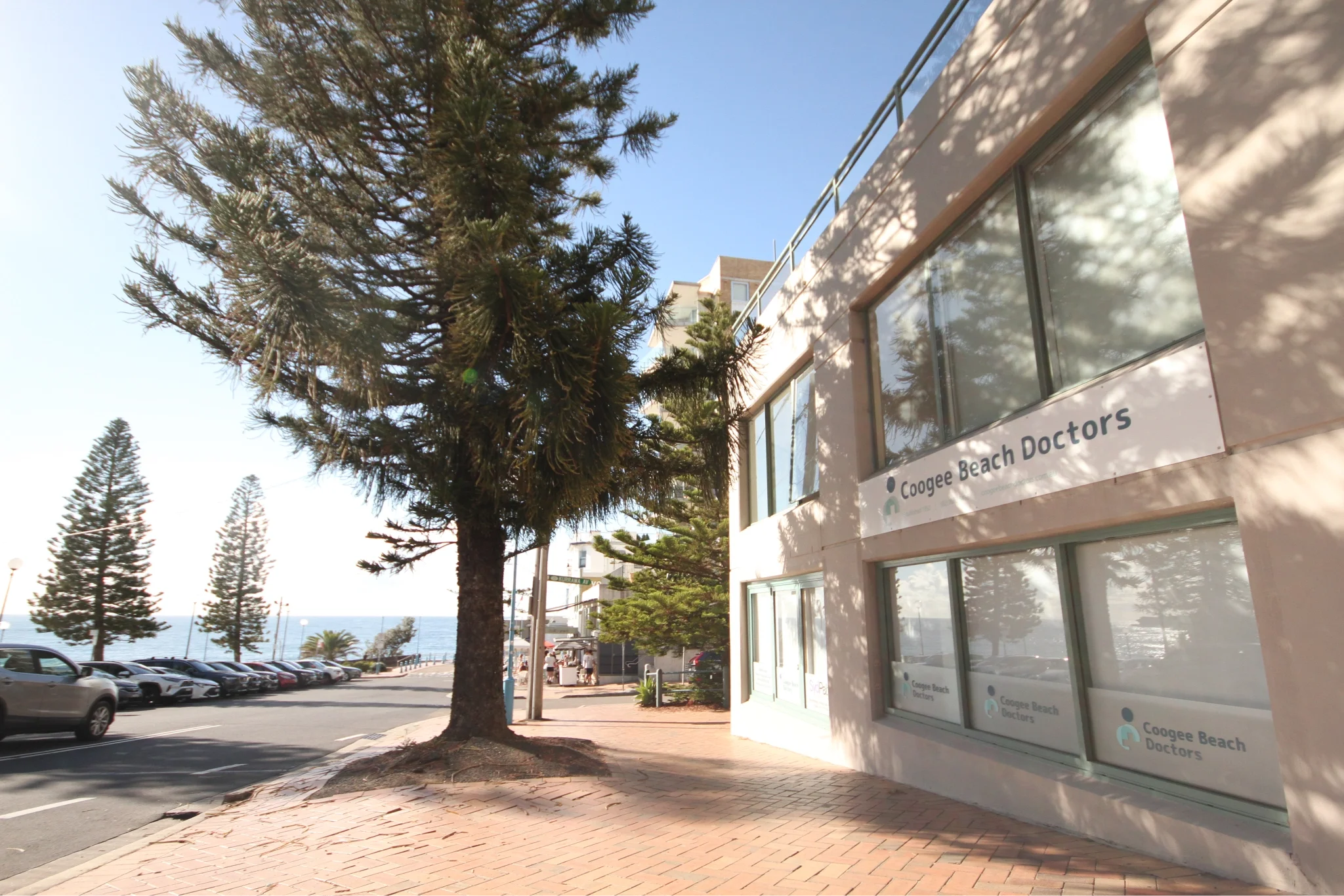
Perimenopause and menopause at Coogee Beach Doctors
A consult with time to talk through symptoms, options and a plan. With Dr Lucy Herron, Dr Phil Orme and Dr Emily Graham, consulting at the practice on Carr Street.




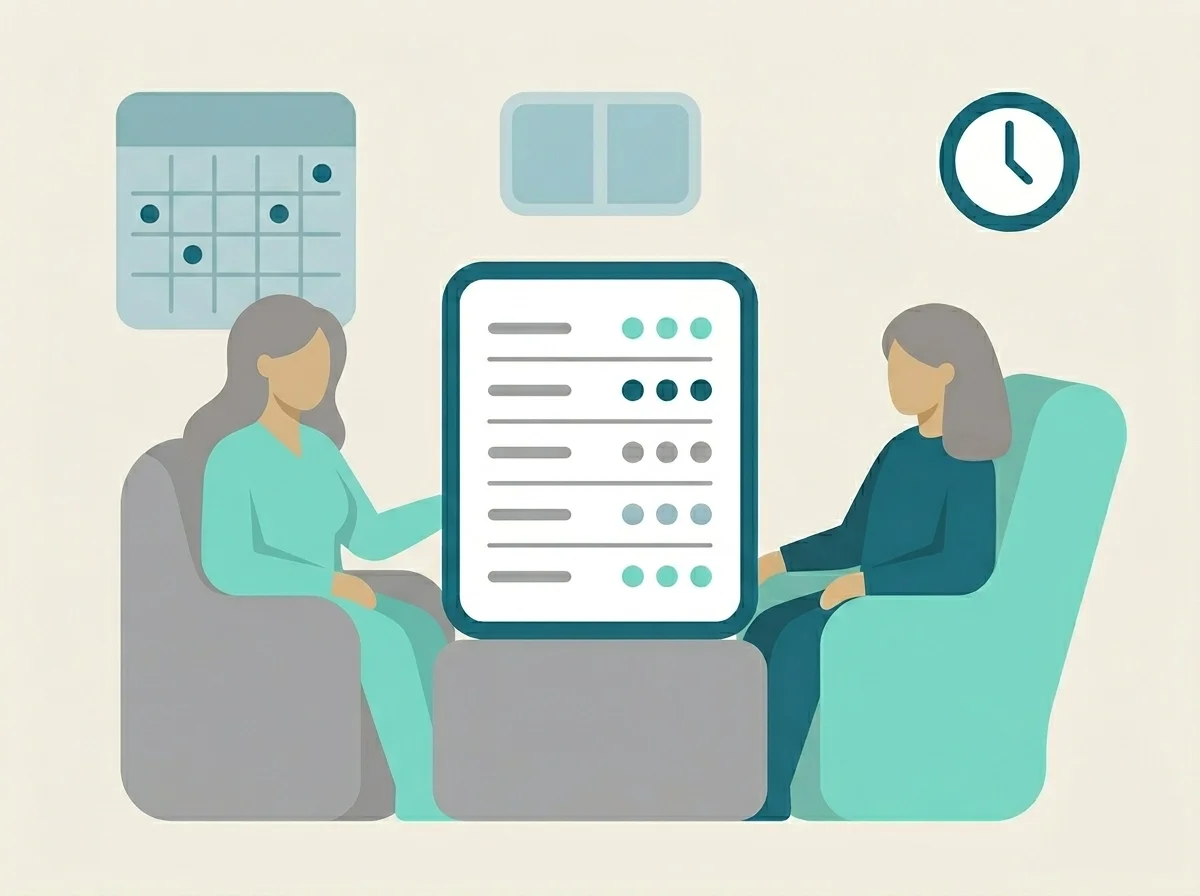
What a perimenopause / menopause consultation involves
Perimenopause is the transition period before periods stop, usually somewhere between the early 40s and early 50s, though it varies widely. The transition can last several years and produces symptoms that range from quiet (subtle changes in cycle length, sleep, mood) through to significantly disruptive (hot flashes, night sweats, brain fog, joint pain, anxiety, low libido, vaginal symptoms, sleep disruption). Menopause itself is the point 12 months after the last period; the post-menopause years are the decades that follow.
A consultation at Coogee Beach Doctors is the conversation that should have happened the first time you raised these symptoms with a GP, but often hasn't. The consulting doctors take a full symptom history, discuss what's driving what, and walk through the options: lifestyle interventions, non-hormonal medicines, hormone-replacement therapy (HRT, also called menopausal hormone therapy or MHT) where indicated, and the cardiovascular, metabolic and bone-health pathways that matter most in midlife.
What this isn't: a wellness clinic, a one-product solution, or a five-minute consult. The first visit is usually a long consultation (30 minutes); the plan is structured across 2–3 visits over the first few months while the right combination of interventions is found.

Who needs support with menopause?
If you're not sure what you need, call reception on (02) 9665 5438, they can talk it through with you before booking.
-
✓ Women in their late 30s, 40s or 50s noticing changes in cycle, mood, sleep, energy, body composition, or anything you suspect might be perimenopause-related.
✓ Patients told by a previous GP that symptoms are "just stress" or "you're too young for that", and who want a longer consultation to get a proper history taken.
✓ Patients considering HRT and wanting an evidence-based discussion of benefits, risks, formulations, and the cardiovascular / metabolic / bone-health context.
✓ Patients already on HRT who want a review, including dose, formulation change, side-effect management, or coordinated care if you've moved to the area.
✓ Patients in post-menopause looking at long-term cardiovascular, metabolic and bone-health monitoring.
✓ Patients with a history of breast cancer, blood-clotting disorder, or other condition that affects HRT eligibility, the consultation can help explore which treatment options are safest for your circumstance.
✓Trans, non-binary, gender-diverse patients experiencing menopause or hormonal change, Coogee Beach Doctors is an LGBTQI+ Safe Space.
-
✘ Patients seeking unindicated bioidentical compounded hormones as a primary intervention. The consulting doctors at the practice prescribe TGA-approved HRT products where clinically indicated; bioidentical compounded products outside TGA approval pathways are not the practice's standard approach. Discussion of options at the consult.
✘ Patients seeking immediate or unindicated testosterone therapy. Testosterone has a place in some menopausal contexts (low libido for example) but is not a primary first-line intervention; the consulting doctor will discuss whether it's clinically indicated.
✘ Patients in immediate mental-health crisis. A GP consultation is not the right speed for crisis support, please call Lifeline 13 11 14, Beyond Blue 1300 22 4636, or go to a hospital emergency department.
Meet your perimenopause and menopause team
Perimenopause and menopause consultations at the practice are offered by three consulting GPs. Each takes long first consultations and structures care across two to three follow-up visits in the early months. You can book with the consulting doctor whose approach feels right for you, or call reception to talk it through.
Dr Lucy Herron
MBBS, FRACGP, DCH
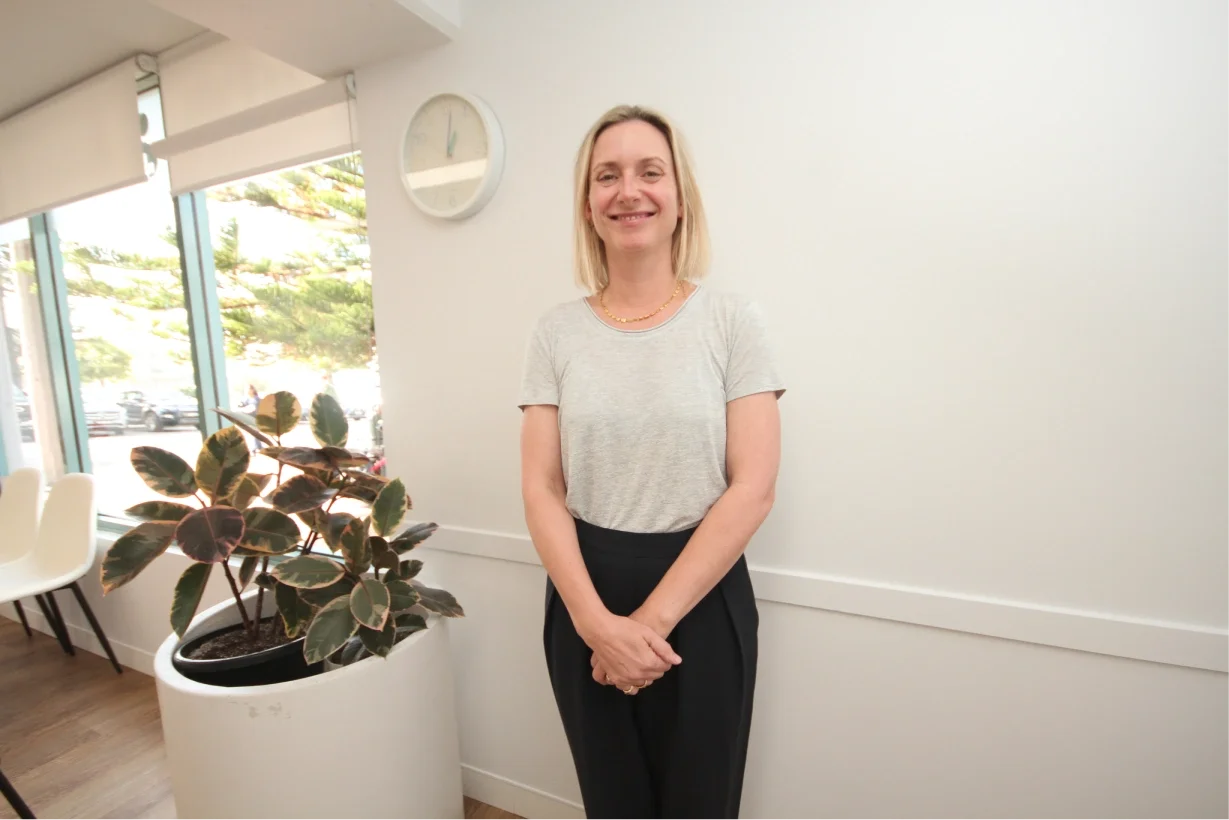
Dr Lucy Herron is a consulting GP at Coogee Beach Doctors. She graduated in medicine from the University of New South Wales in 2006, with additional training through the Australian College of Nutritional and Environmental Medicine and obesity-management training through Valita.
Dr Herron has extensive experience in women's health across the lifespan, from antenatal care to perimenopause, and incorporates evidence-based lifestyle and complementary approaches alongside conventional treatment. She provides antenatal shared care as an affiliate of the Royal Hospital for Women, Randwick and RPA Newtown, and is currently accepting new patients.
Dr Phil Orme
MBBS, FRACGP, Clinical Diploma in Palliative Medicine, CHIA
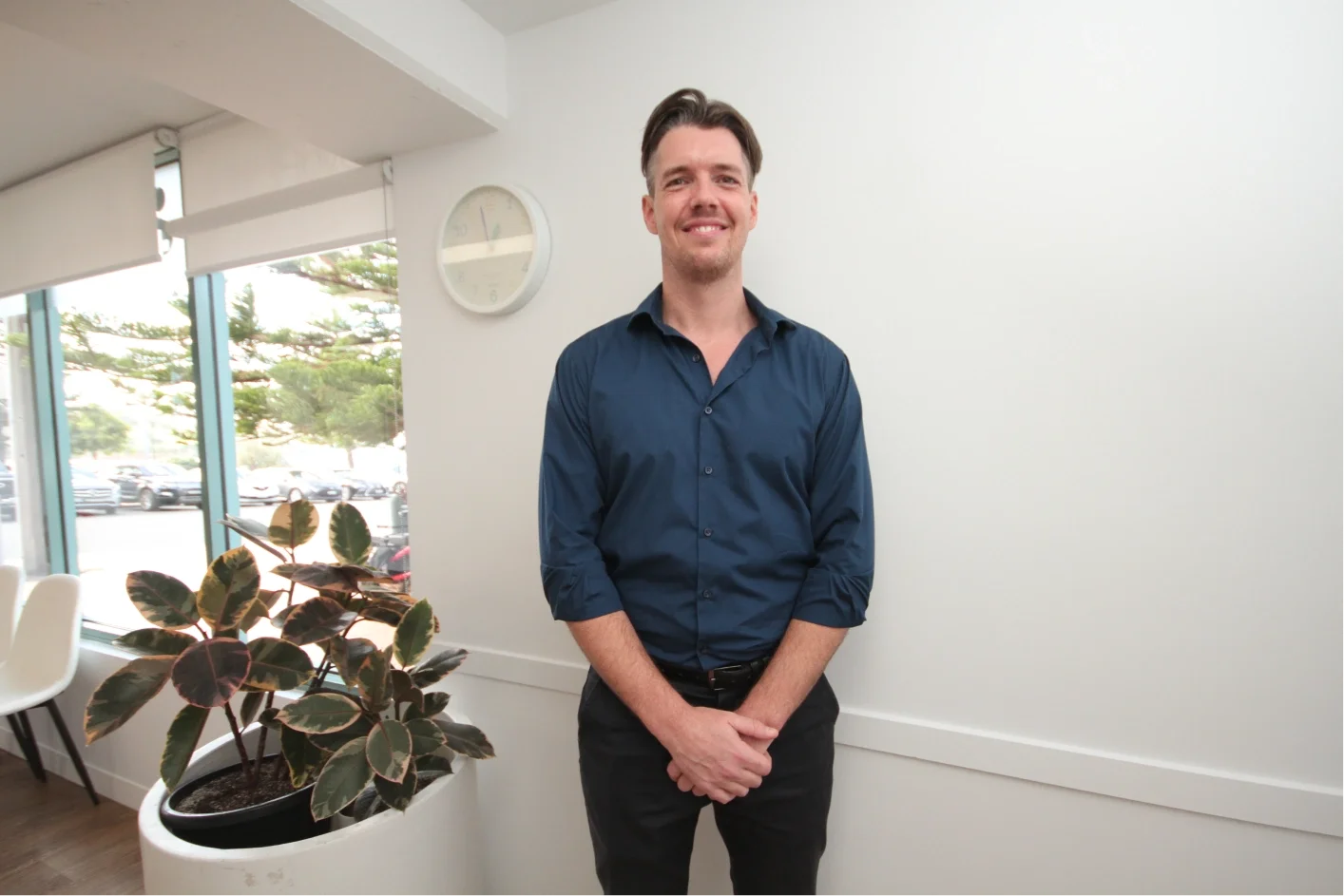
Dr Phil Orme is a consulting GP at Coogee Beach Doctors who returned to the practice in April 2026, after a career spanning haematology and specialist palliative medicine before completing fellowship in general practice with the Royal Australian College of General Practitioners.
Dr Orme has a clinical interest in perimenopause and midlife care, alongside advanced prevention, longevity and lifestyle medicine. He works with patients through the transition on symptom management, hormone-replacement-therapy decisions, lifestyle interventions, and the cardiovascular, metabolic and bone-health pathways that matter most in midlife. He is currently welcoming new patients.
Dr Emily Graham
MBBS, FRACGP, BMedSci, DCH
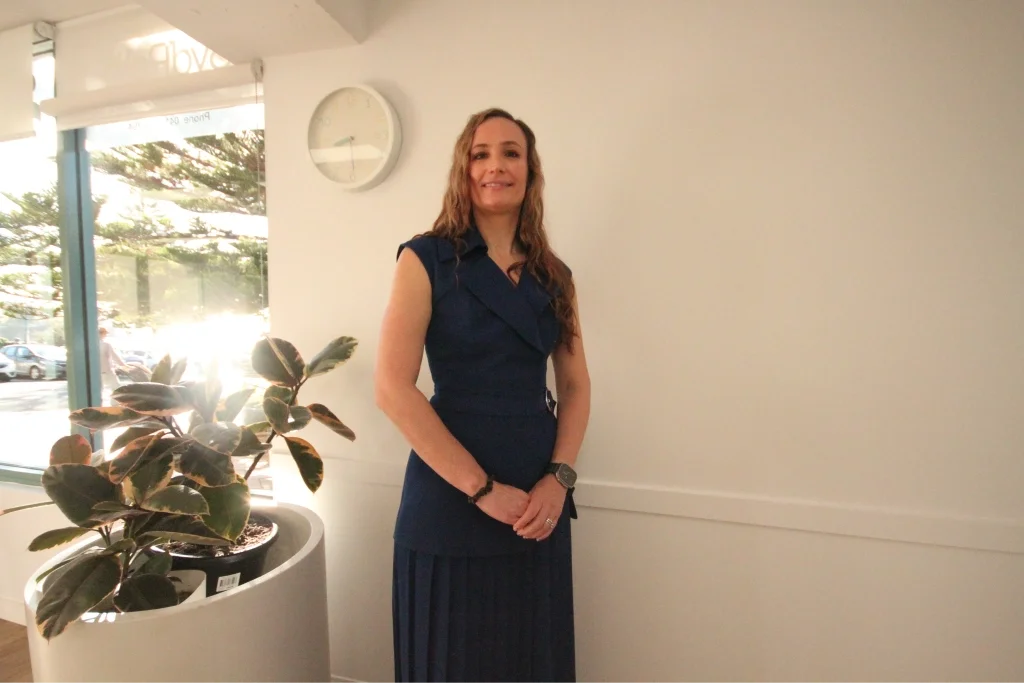
Dr Emily Graham is a consulting GP at Coogee Beach Doctors. She obtained her medical degree from the University of Sydney and worked for several years in paediatrics at Sydney Children's Hospital before transitioning to general practice across greater Sydney's inner suburbs.
Dr Graham has clinical interests in women's health, antenatal care, sexual health and family medicine, and offers perimenopause and menopause consultations alongside her broader general practice work.
What a first consultation looks like
-
Bring any recent blood results (within the last 6 months ideally), a list of medications and supplements, and a note of any allergies or previous reactions to medications. Eat normally; you don't need to fast.
-
Your GP takes a full history, current symptoms, cycle pattern, sleep, mood, libido, weight, joint and bone-health, vasomotor symptoms (hot flashes, night sweats), urinary and vaginal symptoms, family history, past medical history, current medications.
-
Bloods aren't needed for a perimenopause diagnosis (it's clinical - meaning taken from history and examination), but your GP may order them, for example to check thyroid, iron, lipids, FSH/LH if cycles have stopped, vitamin D, and to set a cardiovascular, metabolic and bone-health baseline appropriate to your age.
-
Your GP walks you through the options, lifestyle interventions, non-hormonal medicines, HRT (formulation, dose, route, patch, gel, oral, vaginal, depending on your symptoms and risk profile), and any referrals or further investigations. You don't have to decide on the day; many patients book a follow-up to make decisions after thinking it through.
-
Most patients are seen back in 4–8 weeks for a follow-up review; some sooner if a specific intervention is started. HRT, when started, is reviewed at 3 months and then 6-monthly to a year depending on stability. The plan is structured across 2–3 visits in the first few months.
-
Hormone-replacement therapy has real benefits and real risks. The benefit-risk balance depends on your individual context, symptoms, age, time since menopause, family history, co-existing conditions. Your GP will go through this with you in detail. Common HRT side effects (breast tenderness, light spotting, nausea) usually settle in the first 1–3 months. A full discussion of potential side effects will take place during your consultation.
Non-hormonal options for symptom management are available and discussed at the consultation.
Frequently asked questions about perimenopause and menopause
-
Perimenopause is the transition period before periods stop, symptoms often start years before periods become irregular.
Menopause itself is the point 12 months after the last period.
Post-menopause is the years that follow.
-
It varies. For most women, perimenopause starts somewhere between the early 40s and early 50s, and the transition can last several years, often 4 to 8. Some women experience it earlier (early menopause / premature ovarian insufficiency) and some later. The consultation walks through where you are individually.
-
Yes, and it's often the right time to have it. Perimenopause symptoms typically start while periods are still happening, sometimes years before they stop. Don't wait to "be in menopause" before booking; if symptoms are affecting you, that's the conversation worth having.
-
Usually not, perimenopause is mostly a clinical diagnosis based on symptoms and cycle pattern. Your GP may order bloods to rule out other conditions (thyroid, iron, vitamin D), to set a baseline, or in specific contexts where FSH/LH testing is useful (early menopause, post-hysterectomy). The consultation is the right place to figure out what's needed.
-
HRT has real benefits and real risks; the balance is individual. Modern transdermal HRT (patch or gel) has a different risk profile to older oral combined HRT, particularly on blood-clotting risk. The Australasian Menopause Society and Jean Hailes both publish current consumer information. Your GP will walk through your individual risk-benefit and current product evidence.
-
Of course. Dr Lucy Herron and Dr Emily Graham both consult at the practice and offer perimenopause / menopause consultations. Dr Phil Orme also consults in this area. Reception can help you book with whichever GP you'd prefer.
-
That's a common and frustrating experience. A long consultation at the practice is structured to take the time the conversation needs, full symptom history, options walk-through, and a plan you can take away to think about.
-
The consulting doctors at the practice prescribe TGA-approved HRT products where clinically indicated. Bioidentical compounded products that fall outside TGA approval pathways aren't the practice's standard approach. The consultation can walk through what's available and why the GPs work this way.
-
HRT helps with vasomotor symptoms (hot flashes, night sweats) for most women. Other symptoms, joint pain, brain fog, mood, sleep, vary individually; for some they improve substantially on HRT, for others non-hormonal options work better. The consultation walks through which symptoms are bothering you and which interventions are most likely to help.
-
Yes. The post-menopause years are when cardiovascular, metabolic and bone-health monitoring matter most, most women benefit from a structured preventative-health review (see also /preventative-health-checks/). HRT itself is reviewed periodically; whether to continue, change, or stop is an individual conversation.
-
Perimenopause and menopause consultations at the practice are billed under standard GP Medicare items (most commonly item 23 or 36 per consult length). The practice is private-billing, bulk-billing isn't offered for these consultations. The Medicare rebate is processed automatically with a valid Medicare card, and reception will confirm the out-of-pocket gap before booking. EFTPOS and HICAPS are available on-site. Hormone-replacement therapy products (patches, gels, oral, vaginal) are prescribed and dispensed separately, some are PBS-listed and some are private-script-only; pharmacy cost varies and the consulting GP will explain at the consult.
-
Standard GP consultations at the practice are Medicare-billed, not private-health-fund-billed, so health-fund extras don't apply to the consultation itself. Some funds include "women's health" or "preventative health" benefits under specific extras tiers; check directly with your fund. The Medicare rebate is processed automatically with a valid Medicare card.
Disclaimer: The content here is general information about perimenopause and menopause consultations at Coogee Beach Doctors. It is not medical advice for your individual situation. Hormone-replacement therapy and related interventions are individual decisions; the right approach depends on your symptoms, age, medical history and preferences, the consulting doctor will work through this with you at the consultation.

When you're ready
A first consultation is a conversation. Phil, Lucy and Emily each take long appointments for perimenopause and menopause consultations, call reception if you'd like to talk it through before booking.
Looking for something else?
Here are some of the other related services available at Coogee Beach Doctors:

Pregnancy care
For shared antenatal care, consulting doctors at the practice include affiliates of the Royal Hospital for Women, Randwick and RPA Newtown.

Skin cancer checks
For full-body checks with dermoscopy and a documented baseline, Dr Edward Lyle is one of the consulting doctors at the practice who offers structured skin cancer checks.
Iron infusions
For patients with iron deficiency confirmed on bloods who haven't responded to oral supplementation, iron infusions are offered at the practice as the next step in the pathway.